
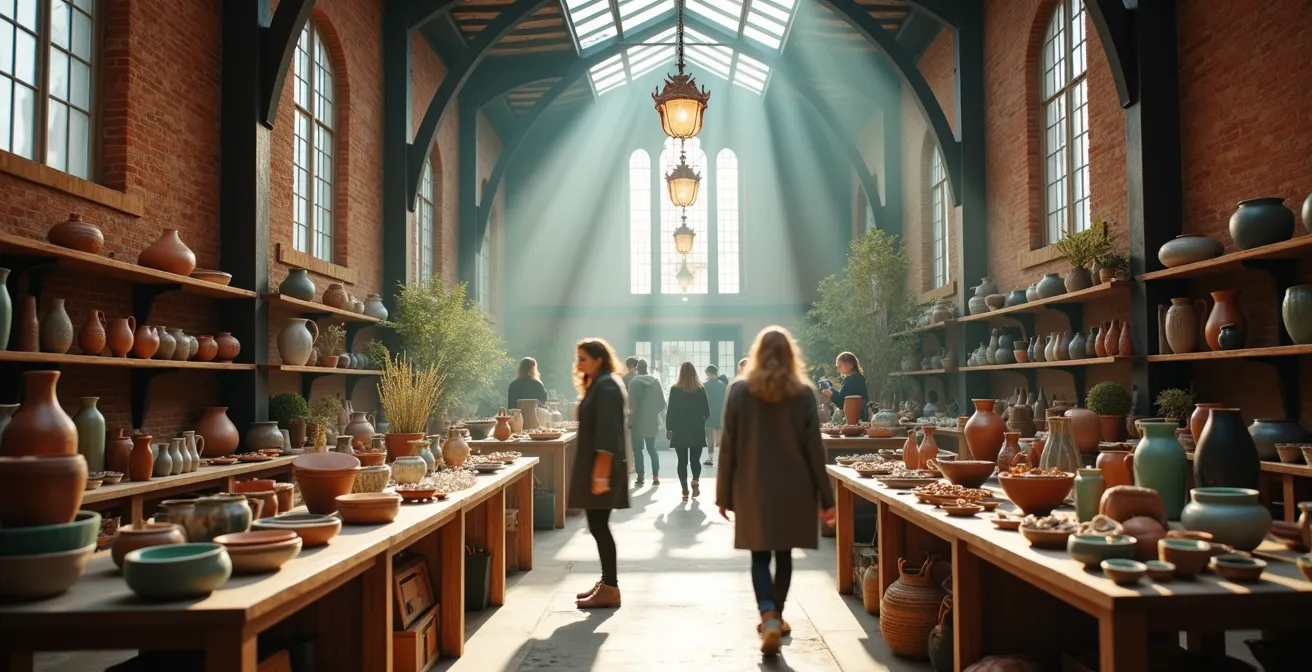
Choosing to shop at a pop-up is more than a purchase; it’s a direct and powerful investment in the UK’s vibrant creative economy.
- It provides crucial, immediate cash flow for independent makers and designers, bypassing algorithmic gatekeepers.
- It transforms vacant high street spaces into dynamic cultural hubs, creating a ripple effect that benefits entire communities.
- It offers an immersive, sensory experience built on human connection, something digital storefronts cannot replicate.
Recommendation: Actively seek out these temporary stores, not just for unique products, but to participate in building a more authentic and sustainable retail culture.
In an age of infinite scrolling and one-click checkouts, the hunt for something truly special can feel strangely hollow. We browse endless digital aisles, guided by algorithms that predict our tastes, yet the experience often lacks a soul. The connection to the creator is lost, replaced by a transaction ID and a delivery window. We get the product, but we miss the story, the passion, and the person behind it all. This digital fatigue has sparked a quiet revolution on our high streets, one that champions connection over convenience.
The antidote is the pop-up shop. These temporary havens of creativity are blossoming across the UK, offering a tangible, exciting, and deeply personal alternative to the online marketplace. But their value runs much deeper than just finding a unique gift. To choose a pop-up is to make a conscious decision about the kind of economy and community we want to foster. It’s an act of what can be called economic co-creation, where your purchase directly fuels a maker’s dream and revitalises a local neighbourhood.
This is about more than just ‘supporting local’; it’s about understanding the powerful systems at play. This article will explore the fundamental reasons why the pop-up model offers a more profound level of support for independent makers than its digital counterpart. We’ll uncover the psychology that makes them so compelling, break down the real-world costs for creators, and reveal how your visit contributes to a thriving, creative ecosystem.
To fully grasp the impact of this retail movement, this guide breaks down every facet of the pop-up world, from finding the best hidden gems to understanding your consumer rights. It’s a journey into the heart of modern, independent commerce.
Summary: Why Pop-Up Boutiques Are the Heartbeat of Independent UK Retail
- Instagram vs Newsletters: How to Find Out Where the Best Pop-Ups Are?
- FOMO Marketing: Why Do Pop-Ups Make You Buy Things You Don’t Need?
- Rent and Insurance: How Much Does It Cost to Rent a Pop-Up Space in Soho?
- Refund Rights: Can You Return an Item If the Pop-Up Shop Has Closed?
- Retail Theatre: Why Brands Are Adding Cafes and Galleries to Shops?
- How Does a £50,000 Art Festival Generate £200,000 for Local Cafes?
- London Fashion Week: How to Buy from New Designers Before They Get Expensive?
- Heritage vs Streetwear: Is Investing in a Burberry Trench Still Smart?
Instagram vs Newsletters: How to Find Out Where the Best Pop-Ups Are?
Discovering a truly great pop-up can feel like uncovering a secret. While social media is a good starting point, the most dedicated shoppers know that the best finds often lie beyond the algorithm. Instagram is flooded with announcements, but the sheer volume can be overwhelming, and you’re often competing with thousands for visibility. The real gems are frequently revealed through more direct and curated channels.
Subscribing to the newsletters of your favourite independent makers, local markets, or creative collectives is a powerful strategy. These emails provide a direct line of communication, often giving loyal followers early-bird access or exclusive details before they hit the public noise of social feeds. Similarly, local event listings in city-specific magazines or community websites are invaluable resources for finding pop-ups that might not have a massive social media budget.
Beyond individual efforts, dedicated platforms are emerging to centralise this discovery process. These organisations act as curators, saving you the legwork. A prime example is The Pop-Up Club, which actively transforms empty high street units across the UK into vibrant marketplaces. They handpick a curated selection of independent brands, creating a reliable destination for shoppers who want to explore multiple makers under one roof. By following such collectives, you tap into a pre-vetted network of quality, making your search for unique pieces far more efficient and rewarding.
FOMO Marketing: Why Do Pop-Ups Make You Buy Things You Don’t Need?
That sudden, urgent desire to buy something at a pop-up shop isn’t just a coincidence; it’s the result of carefully crafted psychology. The core driver is the Fear Of Missing Out (FOMO), a powerful motivator rooted in the temporary nature of the store itself. Unlike an online shop that’s always open, a pop-up has a strict deadline. This scarcity creates a sense of urgency, compelling you to purchase now before the opportunity vanishes forever.
This “now or never” dynamic transforms the shopping mindset. The casual “I’ll think about it” approach is replaced by an immediate decision. This is intentional. Brands leverage this ephemeral nature to create hype and drive sales in a short period. The temporary setup, limited stock, and unique “in-person only” items all contribute to this psychological pressure. It’s a strategy that has proven incredibly effective, especially with younger audiences who value experiences. As Printsome’s analysis of UK YouTuber merchandising strategies highlights, when Joe Sugg and his sister Zoe first launched their merchandise line, they amplified its launch by opening a pop-up store in Covent Garden, turning the release into a must-attend event.
This model is not a niche tactic; it’s a booming sector. In fact, a significant 23% rise in UK pop-up shops was reported for 2023 alone, showing just how much brands are leaning into this effective, experience-driven model. This isn’t about tricking customers; it’s about creating a memorable event that makes the purchase feel like a prized souvenir from a unique moment in time.
Rent and Insurance: How Much Does It Cost to Rent a Pop-Up Space in Soho?
Behind the exciting facade of a pop-up lies a stark economic reality for independent makers. The cost of setting up a temporary shop, especially in a prime UK location, is a significant financial hurdle. This is precisely why every purchase matters. Unlike a global e-commerce giant with minimal overheads, an independent designer is often betting their savings on a one-week retail presence. For them, your support isn’t just a sale; it’s a validation of their risk and a crucial injection of cash flow.
The costs can be staggering and vary dramatically by location. Renting a small space in a high-traffic area like London’s Soho can easily exceed £10,000 for a single week. On top of this, makers must factor in costs for shop-fitting, staffing, and insurance. Public liability and product liability insurance are essential to protect both the business and the customer. Fortunately, specialist providers have emerged, with costs for pop-up shop insurance from as little as £69 for single events, but these expenses add up.
This table from Paymentsense offers a clear snapshot of how these costs compare across different UK cities, illustrating the immense pressure on creators in prime retail hotspots.
| Location | Weekly Rent Range | Insurance (Starting From) |
|---|---|---|
| London Soho | £10,000+ | £69 (single event) |
| Manchester Northern Quarter | £2,000-£4,000 | £182 (multiple events) |
| Birmingham LinkStreet | £650-£750 | £12.95/month (basic shop insurance) |
When you buy from a pop-up, you’re not just acquiring a product; you are directly helping a small business cover these substantial costs and turn a profit. It’s a far more direct and impactful form of support than a purchase made through a vast online marketplace where the creator receives only a small fraction of the price.
Refund Rights: Can You Return an Item If the Pop-Up Shop Has Closed?
One of the most common anxieties for shoppers at temporary stores is recourse. What happens if you buy a product and it’s faulty, but the shop has vanished a week later? It’s a valid concern, but UK law provides robust protection. Your consumer rights are not temporary, even if the shop is. The key piece of legislation is the Consumer Rights Act 2015, which applies to pop-up shops just as it does to any permanent high-street retailer.
Under this Act, you have a 30-day right to a full refund for goods that are of unsatisfactory quality, unfit for purpose, or not as described. The fact that the physical point of sale has closed does not invalidate this right. This is why it is absolutely crucial to be a savvy shopper at the point of transaction. Always ask for a proper receipt that includes the business’s registered name and, most importantly, their permanent contact details like a website or email address. A simple credit card slip is not enough.
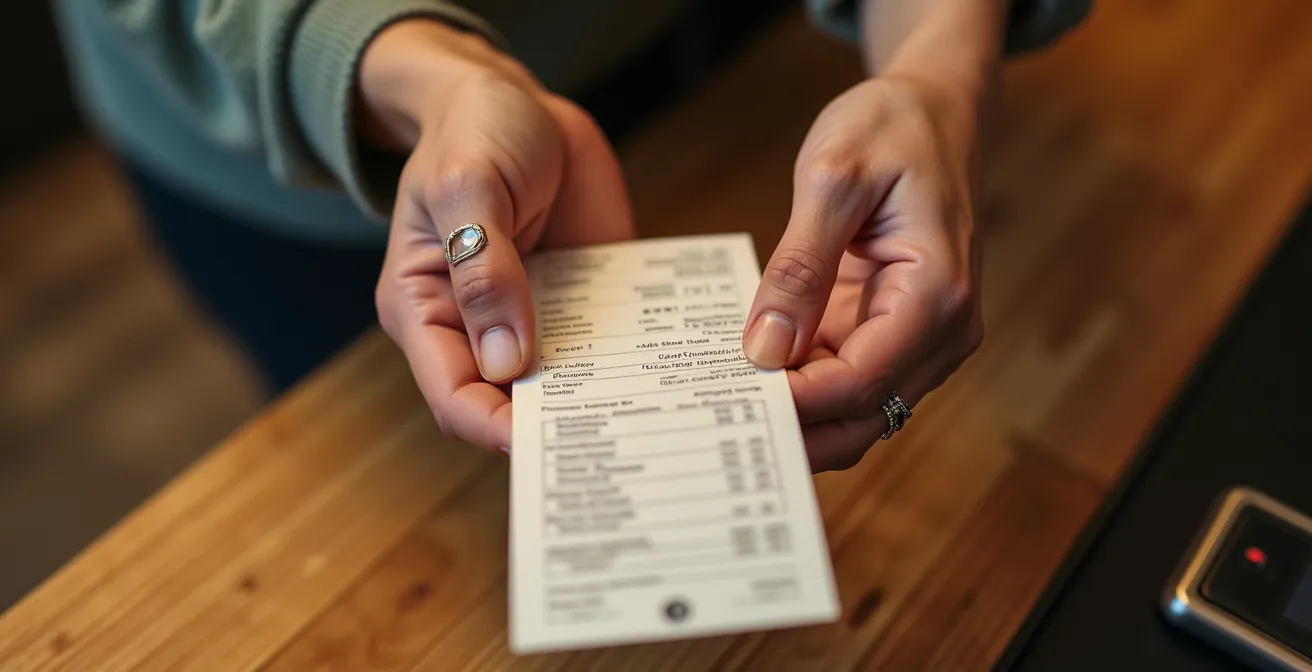
If you discover a fault after the pop-up has closed, your first step is to contact the business through these permanent channels. Reputable makers will have a process in place to handle returns and refunds. In the rare event you receive no response, your collected information becomes your power. You can pursue the matter through the small claims court process in England and Wales. Knowing your rights transforms you from an anxious buyer into a confident supporter of independent business.
Retail Theatre: Why Brands Are Adding Cafes and Galleries to Shops?
The most innovative pop-ups are no longer just shops; they are destinations. The concept of “Retail Theatre” is transforming the purpose of physical stores from purely transactional spaces into immersive cultural experiences. This is the pop-up’s ultimate advantage over e-commerce. You can’t click on a feeling, and you can’t download an atmosphere. Brands understand this and are integrating elements like cafes, art galleries, workshops, and live music to create a memorable event that builds a deep, emotional connection with customers.
This strategy is about making the brand’s world tangible. By inviting you to have a coffee, view an exhibition, or meet the designer, the brand is building a community, not just a customer base. The purchase becomes a secondary, almost natural, consequence of an enjoyable experience. This shift from selling products to selling experiences is a powerful way to build brand loyalty that lasts long after the pop-up has closed. It creates a story that customers will share, generating authentic word-of-mouth marketing that is far more valuable than any online ad.
Case Study: Lone Design Club at Battersea Power Station
A brilliant example of retail theatre in action is Lone Design Club’s pop-up boutique at London’s Battersea Power Station. They created a dynamic space that was part-shop, part-event-hub. By curating mini-boutiques for different designers and hosting shared events, they fostered direct interaction between creators and customers. This model turns shopping from a solitary act into a vibrant, communal experience of discovery and creativity, perfectly embodying the principles of retail theatre.
This experiential model is also a significant economic driver. The pop-up sector is a serious business, and according to a report by the Centre for Economics and Business Research, it now generates over £2.1 billion in UK turnover annually. By creating compelling reasons to visit, these temporary stores draw footfall back to high streets and encourage spending, proving that a great experience is great for business.
How Does a £50,000 Art Festival Generate £200,000 for Local Cafes?
The impact of a successful pop-up or creative event extends far beyond its own cash register. This is known as the economic multiplier effect: the initial spending creates a ripple of secondary economic benefits for the surrounding community. When a pop-up draws visitors to a particular street or neighbourhood, those visitors don’t just shop at the pop-up. They buy coffee at the local cafe, have lunch at the pub next door, and browse other nearby shops. The pop-up acts as an anchor, generating crucial footfall for a whole ecosystem of businesses.
This is a powerful force for urban revitalisation. In areas with high vacancy rates, a string of successful pop-ups can breathe new life into a struggling high street, making it a destination once again. The Cardiff pop-up scene is a testament to this phenomenon. A report on the UK’s pop-up economy noted that Cardiff leads the nation in pop-up adoption, partly due to higher vacancy rates in Wales creating opportunities. These temporary stores have helped energise areas with struggling traditional retail, demonstrating how this model can act as a catalyst for wider regeneration.
The growth of this sector is not just a fleeting trend; it’s a sustainable economic shift. Economic analysis shows the pop-up sector is a high-growth area; one report projects it is expected to grow by 8.4%, a rate 2.5 times higher than the wider UK retail sector. By choosing to visit a pop-up, you are not only supporting an independent maker but also casting a vote for the vitality and economic health of our local high streets and the small businesses that call them home.
London Fashion Week: How to Buy from New Designers Before They Get Expensive?
For the fashion-savvy shopper, pop-ups offer an unparalleled opportunity: the chance to discover and buy from the next big name before they hit the mainstream and their prices skyrocket. During major industry events like London Fashion Week (LFW), the city becomes a treasure trove of temporary showrooms and graduate sales where the industry’s future stars showcase their first collections. This is where you can acquire a truly unique piece with a story, directly from the hands of its creator.
These off-schedule events and graduate showcases are the breeding ground for raw talent. While the main LFW catwalks are exclusive, these concurrent pop-ups are often open to the public, providing a direct bridge between emerging designers and their first customers. It’s a chance to invest in a piece of fashion history in the making. For the designer, these sales provide vital funds to produce their next collection. For the buyer, it’s a connection to the source of creativity, bypassing the massive markups of traditional luxury retail.
Finding these hidden opportunities requires a bit of insider knowledge. It’s about knowing where to look beyond the official LFW schedule. From graduate shows at world-renowned fashion colleges to impromptu showrooms in East London, the key is to tap into the grassroots of the fashion scene. This is where you’ll find the most exciting and innovative work.
Your Action Plan: Finding Emerging Designer Pop-Ups During LFW
- Follow the Source: Keep a close eye on the graduate showcases at top UK institutions like Central Saint Martins, London College of Fashion, and the Manchester Fashion Institute. They often host direct-to-public pop-up sales.
- Scout the Hotspots: During LFW, explore East London areas like Shoreditch and Hackney. Many off-schedule designers and collectives rent temporary showrooms here to catch the eye of press and buyers.
- Track the Future: Monitor the participants in the British Fashion Council’s NEWGEN incubator programme. These rising stars frequently host their own pop-up showcases to build their brand.
- Hunt on Instagram: Follow niche Instagram accounts that specialise in curating and announcing emerging designer sample sales and pop-up events. They often have last-minute intel.
- Sign Up for Intel: Subscribe to newsletters from fashion incubators and creative agencies that support new talent. They provide curated lists of must-visit pop-up events.
Key Takeaways
- Pop-up shopping is an act of “economic co-creation” that provides more direct and impactful support to UK makers than online retail.
- The psychology of scarcity (FOMO) and the experience of “retail theatre” are powerful drivers that digital stores cannot replicate.
- Your consumer rights are fully protected under the Consumer Rights Act 2015, even if a pop-up shop has closed.
Heritage vs Streetwear: Is Investing in a Burberry Trench Still Smart?
The choice between a heritage piece like a classic Burberry trench and a limited-edition item from a streetwear pop-up feels like a clash of two worlds. One represents timeless tradition and established luxury; the other, the fleeting, hype-driven pulse of modern culture. Yet, the decision is about more than just aesthetics. It’s a reflection of what we value in the things we own: enduring legacy or a snapshot of a cultural moment? More importantly, it prompts us to consider the kind of retail landscape we want to support.
Investing in a heritage brand often means buying into a global corporation. While the quality is undeniable, the connection to an individual maker is long gone. In contrast, buying from a pop-up—whether it’s streetwear, a ceramicist’s collection, or a new jeweller’s work—is a fundamentally different act. It’s a direct vote of confidence in a person and their craft. You are funding the next design, paying for studio time, and enabling a small, independent business to survive and thrive against giant competitors.
This isn’t to say one is “better” than the other, but to highlight that they serve different purposes. The enduring appeal of physical retail proves that shoppers crave more than just a product. In an increasingly digital world, the desire for tangible experiences and human stories is stronger than ever. Despite the dominance of e-commerce, an IBM study found that 73% of shoppers still prefer physical stores for certain types of purchases. Pop-ups perfectly cater to this need, offering the novelty and personal touch that even the most established heritage brands struggle to replicate online.
By choosing to step into a pop-up boutique, you are doing more than just shopping. You are actively participating in a vibrant, community-focused movement that is reshaping our high streets for the better. The next time you’re looking for something special, consider seeking out one of these temporary treasures.
Frequently Asked Questions on Pop-Up Shops
Are my consumer rights the same at a pop-up shop as a permanent store?
Yes, under the Consumer Rights Act 2015, you have the same 30-day right to a full refund for faulty goods, regardless of whether the physical shop still exists.
What information should I collect when buying from a pop-up?
Always get a receipt with the maker’s registered business name and website/contact details, not just the temporary address.
What if the pop-up has closed and I need a refund?
Contact the business through their permanent channels (website, email). If unsuccessful, you can use the small claims court process in England and Wales.