
The landscape of cars and mobility in England is undergoing a transformation unlike anything witnessed since the mass adoption of the motor car itself. From busy London streets to regional city centres, the way people move is being redefined by technological innovation, environmental imperatives, and changing urban priorities. Traditional car ownership is increasingly complemented—and sometimes replaced—by a diverse ecosystem of transport options that promise greater flexibility, sustainability, and efficiency.
This shift encompasses everything from autonomous vehicles preparing to navigate British roads to the explosion of micro-mobility solutions like e-scooters and shared bikes transforming the last mile of urban journeys. Understanding these changes isn’t merely about keeping pace with technology; it’s about making informed choices that affect daily life, from commuting decisions to insurance considerations. Whether you’re curious about what automation levels actually mean, how to navigate parking regulations, or how to safely integrate e-bikes with your existing transport habits, grasping the fundamentals of modern mobility empowers you to adapt confidently to this evolving landscape.
Autonomous vehicles represent perhaps the most significant potential disruption to personal transport in generations. Across England, trials are already underway in cities like Milton Keynes, Greenwich, and Coventry, testing how self-driving technology can integrate with existing road networks. Yet for many people, the terminology remains confusing, and the practical implications unclear.
The automotive industry uses a standardised classification system with six levels of automation, ranging from Level 0 (no automation) to Level 5 (full automation). Most vehicles currently on British roads sit at Level 1 or 2, offering features like adaptive cruise control or lane-keeping assistance that still require constant driver attention. Level 3 vehicles, which can handle driving tasks in specific conditions but require human readiness to intervene, are beginning to receive regulatory approval. The ultimate goal—Level 5 vehicles that require no human input whatsoever—remains several years away from widespread deployment, though the groundwork is being laid now.
This gradual progression matters because it shapes everything from insurance frameworks to infrastructure planning. A Level 2 vehicle keeps the driver fully liable, whilst higher levels introduce complex questions about manufacturer responsibility.
One of the most pressing practical questions surrounding autonomous vehicles concerns liability in the event of a collision. The Automated and Electric Vehicles Act established a foundation for this, creating a framework where insurers cover accidents involving autonomous vehicles, then pursue manufacturers if vehicle defects were responsible. This represents a fundamental shift from traditional motor insurance, where driver behaviour determines liability.
For consumers, this means that as automation increases, insurance products will evolve significantly. Some insurers are already developing policies that differentiate between manual and automated driving modes, adjusting premiums accordingly. The transition period—where vehicles operate sometimes autonomously, sometimes manually—presents the greatest complexity.
British cities face substantial infrastructure challenges to accommodate autonomous vehicles effectively. Traffic signals, road markings, and signage designed for human drivers may require modification or supplementation with digital infrastructure that vehicles can communicate with directly. Local authorities in areas like Oxfordshire and West Midlands are experimenting with “smart road” technologies that broadcast real-time information to vehicles.
Equally important is the human dimension. Studies conducted by Transport Research Laboratory suggest that public acceptance remains mixed, with concerns about safety, cybersecurity, and job displacement. Building trust requires not just technological reliability but transparent communication about how these systems work, their limitations, and the rigorous testing they undergo. Seeing autonomous vehicles operating safely in controlled trials helps, but widespread acceptance will likely emerge gradually as people experience the technology firsthand.
Whilst autonomous vehicles capture headlines, a quieter revolution is already reshaping daily journeys across English cities: the rise of micro-mobility solutions. E-scooters, shared bikes, and e-bikes offer flexible, sustainable alternatives for shorter trips, complementing public transport and reducing reliance on private cars for every journey.
Walk through any major English city and you’ll encounter a variety of shared mobility options. Docked bike-sharing schemes like Santander Cycles in London pioneered the model, whilst dockless e-bikes and e-scooter trials (authorised in numerous cities following regulatory changes) have expanded choices considerably. These services address the “first-mile/last-mile problem“—the often-awkward journey between home or destination and public transport hubs.
Using these solutions efficiently requires understanding their different characteristics:
Understanding rental pricing structures prevents unexpected charges and helps identify the most economical option for your needs. Most providers use a combination of unlock fees (typically 50p to £1) and per-minute charges (commonly 10p to 20p per minute). Some offer daily passes or monthly subscriptions that reduce costs for regular users. A typical 15-minute e-bike journey might cost £2 to £4, competitive with bus fares for similar distances but faster point-to-point.
Checking multiple apps before selecting a service can reveal promotional rates or availability, though having accounts with several providers requires managing various payment methods and understanding different terms. Some services also implement dynamic pricing during peak demand, similar to ride-hailing platforms.
The accessibility of micro-mobility brings important safety considerations. Whilst helmets aren’t legally required for cyclists over 18 in the UK, their absence significantly increases injury risk, particularly on busy urban roads where cyclists navigate alongside buses, taxis, and other vehicles. The Highway Code recommends helmets and high-visibility clothing, advice grounded in collision statistics.
Before riding any shared bike or e-scooter, a quick mechanical safety check takes moments but prevents problems:
Reporting faulty vehicles through the app prevents others from encountering the same issues and helps providers maintain fleet quality.
One of micro-mobility’s most contentious aspects involves parking. Poorly parked e-bikes and e-scooters blocking pavements frustrate pedestrians, particularly those with mobility impairments or pushchairs. Most providers now use GPS geofencing to designate approved parking zones, with some imposing fines for vehicles left outside these areas. Responsible users ensure their vehicle doesn’t obstruct pedestrian routes, building entrances, or dropped kerbs.
The real power of micro-mobility emerges when combined with public transport. Using an e-bike to reach a railway station extends the catchment area of that station significantly—a 10-minute cycle covers roughly 2 miles, compared to perhaps half a mile walking. Many commuters now routinely chain together train journeys with bike-share for the final leg, creating flexible, efficient multi-modal trips that avoid car ownership costs entirely.
Whether using traditional vehicles or newer mobility options, parking remains a fundamental urban challenge. England’s cities have developed varied approaches to managing limited kerb space, from residents’ parking schemes to dynamic pricing systems.
Applying for resident parking permits typically involves proving local residency through council tax bills or tenancy agreements, plus vehicle registration documents. Each local authority sets its own fees, which can range from under £50 annually in some areas to several hundred pounds in high-demand London boroughs. Many councils now operate tiered systems where second vehicles cost substantially more, encouraging households to reduce car ownership.
Understanding your local authority’s specific requirements, permit zones, and visitor parking provisions prevents fines and frustration. Most councils have moved to online application systems, though processing times vary. Some forward-thinking authorities are also designating specific parking areas for car clubs and micro-mobility, recognising these as space-efficient alternatives to private vehicle storage.
The evolving mobility landscape offers unprecedented choice in how we move through cities. From understanding the gradual introduction of autonomous technology and its insurance implications to confidently using e-bikes for daily journeys whilst respecting safety and parking requirements, informed engagement with these options opens up more flexible, sustainable transport patterns. As technology, regulation, and infrastructure continue developing, those who grasp the fundamentals of modern mobility are best positioned to adapt their transport choices to changing circumstances and personal needs.

The cheapest e-bike for your London commute isn’t just about the per-minute price; it’s about mastering the hidden fees and logistics unique to your route. Forest often wins on short trips with its daily free minutes, but has stricter, smaller…
Read more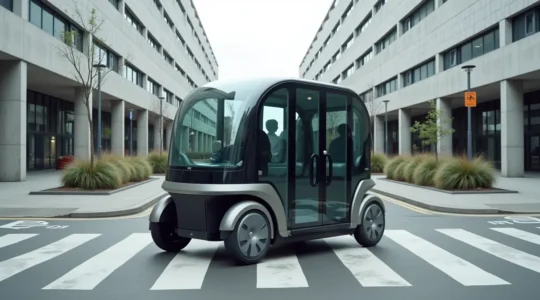
The real test of the Milton Keynes pods isn’t their onboard technology, but the strength of the complete “safety ecosystem” built around them. UK law makes insurers, not manufacturers, the first point of contact for any accident, simplifying claims for…
Read more