
English cuisine has undergone a remarkable transformation in recent decades, evolving from a reputation of bland fare to a vibrant celebration of quality ingredients, regional traditions, and skilled craftsmanship. Today’s culinary landscape seamlessly blends time-honoured classics with contemporary approaches to sourcing, preparation, and presentation. Whether you’re navigating a gastropub menu, selecting beef from a local butcher, or exploring your nearest farmers market, understanding the principles behind English gastronomy empowers you to make informed choices and appreciate the stories behind your plate.
This comprehensive exploration connects the dots between ingredient selection, cooking techniques, and cultural traditions that define contemporary English food. From the nuances of pub dining culture to the intricacies of dry-aged beef, from sustainable coastal seafood to forgotten regional recipes, we’ll demystify the essential knowledge that transforms casual eaters into confident, discerning food enthusiasts.
The British pub represents far more than a drinking establishment—it’s a cornerstone of community life and an increasingly important venue for serious gastronomy. Yet distinguishing genuine culinary excellence from clever marketing requires a discerning eye and informed expectations.
Authentic quality in pub kitchens reveals itself through several indicators. Menu specificity matters enormously: establishments listing actual farm names, specific beef breeds, or precise fishing locations demonstrate genuine sourcing commitments rather than generic claims. Seasonal menu rotation signals a kitchen working with fresh, local ingredients rather than relying on frozen, year-round supplies. The pricing structure of elevated pub food typically reflects real costs—premium grass-fed beef, day-boat fish, and artisan cheeses command higher prices than industrial alternatives, and understanding these economics helps you assess value rather than simply seeking bargains.
The Sunday roast remains Britain’s most iconic pub offering, and securing a table at popular establishments requires strategic planning. Most respected venues open bookings precisely two to four weeks in advance, with prime lunch slots (12:30-14:00) disappearing within hours of release. Midweek reconnaissance visits allow you to assess portion sizes, accompaniment quality, and service standards before committing to a weekend booking.
Pairing craft ales with sophisticated dishes has become an art form in itself. The maltiness of brown ales complements rich, braised meats beautifully, whilst hoppy IPAs cut through fatty dishes and cleanse the palate. Service quality in casual settings—often overlooked—proves equally important: knowledgeable staff who can discuss ingredient provenance and suggest pairings indicate an establishment that values the complete dining experience, not merely plate delivery.
The foundation of exceptional cooking lies in ingredient quality, and Britain’s diverse agricultural and maritime regions offer remarkable raw materials when you know what to look for.
Selecting premium regional beef for special occasions begins with understanding breed characteristics and production methods. Native breeds such as Aberdeen Angus, Hereford, and Dexter cattle, raised on pasture, develop superior marbling and flavour complexity compared to intensive indoor systems. Visual quality markers in raw beef include:
The dry-aging process transforms good beef into exceptional meat through controlled moisture loss and enzymatic breakdown. During this period—typically 21 to 45 days—the meat develops concentrated flavour, tender texture, and characteristic nutty notes. Grass-fed beef requires different cooking approaches than grain-finished alternatives: its leaner profile means slightly lower cooking temperatures and careful attention to avoid overcooking.
Storage mistakes at home sabotage even the finest cuts. Never store raw beef in sealed plastic wrapping—it needs air circulation. Instead, unwrap completely, pat dry, place on a wire rack over a plate, and loosely cover with kitchen paper. Use within three days, or freeze properly by wrapping tightly in freezer paper, removing all air pockets.
The South West coast, alongside Cornwall, Devon, and Dorset shores, provides some of Britain’s finest seafood when sourced responsibly. Understanding seasonal availability prevents both disappointment and environmental damage. Native oysters traditionally follow the “R months” rule (September through April), whilst mackerel peaks during summer months, and crab reaches prime condition from April to December.
Differentiating between wild and farmed options requires specific knowledge. Wild sea bass, for instance, has firmer flesh and more pronounced flavour than farmed equivalents, whilst responsibly farmed mussels and oysters actually benefit marine environments by filtering water. Checking freshness in whole fish involves examining several factors simultaneously:
Preparing crustaceans humanely means understanding their nervous systems. Placing crabs and lobsters in the freezer for two hours before cooking renders them insensate, whilst the RSPCA recommends mechanical stunning devices for those cooking crustaceans regularly. Supporting small-scale fishing fleets—often operating from towns like Brixham, Newlyn, or Looe—ensures fairer income distribution and typically gentler fishing methods than industrial trawlers.
Reconnecting with seasonal eating patterns and local agriculture offers benefits extending far beyond taste, though flavour improvements alone justify the effort. Produce harvested at peak ripeness and consumed within days rather than weeks delivers dramatically superior nutrition and sensory experience.
Finding local farmers markets has become easier as councils and community groups increasingly recognize their value. Most market towns host weekly or fortnightly markets, with urban areas often featuring multiple locations. These venues provide direct access to growers who can explain cultivation methods, suggest preparation techniques, and offer varieties never seen in supermarkets. Cooking with unfamiliar vegetables—perhaps purple sprouting broccoli, salsify, or kohlrabi—expands your culinary repertoire whilst supporting agricultural diversity.
Preserving seasonal glut prevents waste and extends enjoyment of peak-season produce. Simple techniques require minimal equipment: freezing works beautifully for berries, beans, and tomatoes; pickling transforms gluts of cucumbers, beetroot, or onions; whilst making jam concentrates summer fruit into year-round pleasure. Each preserved jar represents reduced food miles and strengthened connections with producers and seasons.
Simplifying breakfast for commuters needn’t mean abandoning quality. Overnight oats prepared with seasonal fruit, boiled eggs from local hens, or sourdough from your nearest bakery all support local agriculture whilst providing superior nutrition compared to ultra-processed alternatives. The cumulative effect of small, consistent choices creates meaningful support for regional food systems.
Britain’s regional food traditions have suffered decades of industrial standardization, yet a growing movement works to revive forgotten dishes and artisan production methods. These aren’t merely nostalgic exercises—traditional foods evolved to showcase local ingredients and seasonal availability, offering lessons for contemporary sustainable eating.
Reviving forgotten regional dishes uncovers remarkable diversity: Staffordshire oatcakes, Bedfordshire clangers, Sussex pond pudding, and Yorkshire curd tart each tell stories of local agriculture, climate, and culture. Many recipes developed around preserving autumn abundance through winter scarcity, using techniques like salting, smoking, and fat-sealing that modern cooks can adapt for flavour rather than pure preservation.
Differentiating cheese varieties requires understanding that Britain produces over 700 named cheeses—more than France according to some counts. Beyond ubiquitous Cheddar, exploring territorial varieties reveals extraordinary range: crumbly Cheshire, creamy Lancashire, nutty Red Leicester, and pungent Stinking Bishop each express their region’s milk, pastures, and making traditions. Visiting cheese counters staffed by knowledgeable mongers, rather than purchasing pre-packed wedges, provides tasting opportunities and storage guidance.
Baking traditional breads connects you to centuries of craft knowledge. A basic cottage loaf requires only flour, water, salt, and yeast, yet proper technique—adequate kneading, patient fermentation, steam introduction—separates mediocre from magnificent results. Regional variations like the Cornish split, Staffordshire oatcake, or Scottish morning roll each developed around local grain varieties and baking facilities.
Pairing cider with food remains underexplored despite Britain’s ancient cider-making traditions. Dry, tannic ciders from traditional bittersweet apples complement rich pork and game, whilst sweeter styles balance spicy dishes. Supporting heritage breeds—whether Gloucestershire Old Spots pigs, Norfolk Black turkeys, or Dorset Horn sheep—preserves genetic diversity and typically delivers superior flavour from animals raised extensively rather than intensively.
Technical proficiency transforms quality ingredients into memorable meals. Understanding the science behind fundamental techniques builds confidence and consistent results across diverse recipes.
Temperature control for collagen breakdown determines success with tougher, more flavourful cuts. Collagen—the connective tissue making certain cuts seem tough—only transforms into silky gelatin when held at 60-80°C for extended periods. This explains why brisket, shin, or shoulder become meltingly tender through slow roasting or braising, yet remain chewy when cooked quickly. Using a meat thermometer removes guesswork, allowing you to monitor internal temperature rather than relying on timing alone.
Resting meat for juiciness ranks among the most frequently ignored yet crucial steps. When meat cooks, muscle fibres contract and expel moisture toward the centre. Resting allows redistribution throughout the cut—typically 5 minutes for steaks, 15-20 minutes for roasting joints. Tenting loosely with foil maintains temperature whilst preventing steam accumulation that would soften the crust.
Using a slow cooker effectively means understanding its limitations alongside its strengths. These appliances excel at collagen-rich cuts, pulses, and layered dishes where extended, gentle heat develops complexity. However, they cannot brown, reduce, or create textural contrast. Maximum flavour comes from browning ingredients first in a pan, deglazing to capture fond, then transferring everything to the slow cooker. Never lift the lid during cooking—each peek releases accumulated heat, extending cooking time by 20-30 minutes.
Marinating for depth of flavor works through multiple mechanisms: acids partially break down surface proteins (improving tenderness), oils carry fat-soluble flavours into the meat, and salt enhances moisture retention. Yet marinades penetrate only a few millimetres even after overnight soaking—their greatest impact comes from surface flavour and browning enhancement. For deeper penetration, consider dry brining (salting 24 hours ahead) or injection for large joints.
Pairing sides with rich meats requires balancing richness with acidity, freshness, or textural contrast. Fatty roast pork demands sharp apple sauce and bitter greens, whilst beef benefits from horseradish’s nasal heat and earthy root vegetables. Understanding these complementary principles allows you to improvise confidently rather than following recipes rigidly.
The journey through English cuisine and gastronomy ultimately reveals a landscape far richer and more nuanced than stereotypes suggest. By understanding ingredient quality, respecting seasonal rhythms, preserving traditional knowledge, and mastering fundamental techniques, you build the foundation for a lifetime of confident, enjoyable cooking and eating. Each farmers market visit, each conversation with a fishmonger, each successfully rested roast deepens your connection to the remarkable food culture flourishing across England.
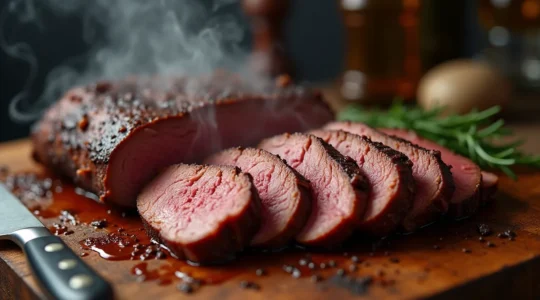
The secret to unlocking incredible flavour from cheap cuts isn’t a complex recipe; it’s mastering the simple science of transforming tough connective tissue into succulent, meltingly tender meat. Low temperature (around 110°C) is non-negotiable for converting collagen into gelatin. Resting…
Read more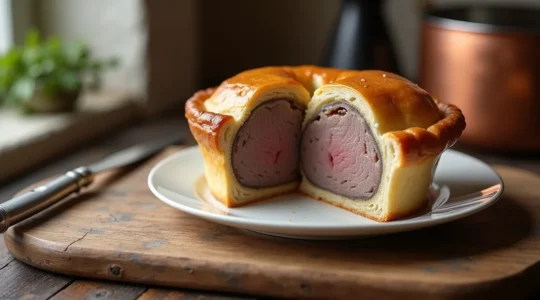
The unique character of a Melton Mowbray pork pie comes not just from its recipe, but from its legally protected ‘terroir of circumstance’—a specific blend of geography, agricultural history, and traditional craft. Its PGI status is a legal guarantee of…
Read more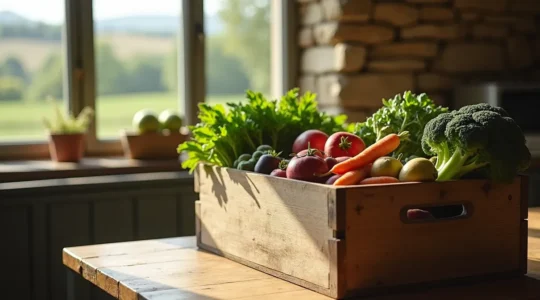
Beyond the weekly bill, a veg box scheme represents a superior long-term economic investment compared to a supermarket shop. It reduces household food waste by encouraging the creative use of every item. It directly funds the preservation of the English…
Read more
In summary: Verifying “Cornish” seafood requires looking beyond the label; it’s about investigating the story behind the catch. “Local” does not automatically mean “sustainable.” The fishing method is often more important than the origin. Key freshness indicators (eyes, gills, flesh)…
Read more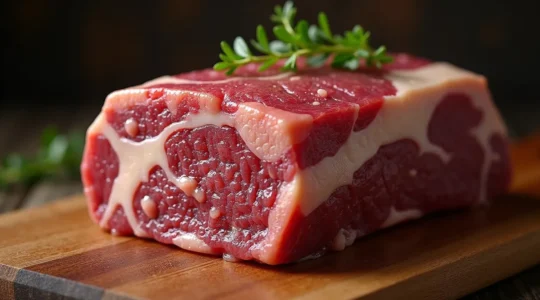
That extra tenner for aged Yorkshire beef isn’t a cost; it’s an investment in a deep, nutty flavour and tenderness that standard beef simply cannot match. This superior quality comes from the craft of dry-aging, a process which concentrates flavour…
Read more
The difference between a memorable gastropub meal and a costly disappointment is rarely the price, but the culinary integrity hidden in the menu’s details. True seasonality and verifiable sourcing (named farms, PDO status) are non-negotiable quality markers. Staff knowledge and…
Read more