
Fashion and style in Britain carry a unique weight—a careful balance between timeless heritage and practical modernity. Whether navigating the unpredictable weather, investing in Savile Row craftsmanship, or making conscious choices about sustainability, the way we dress reflects not just personal taste but a deeper understanding of quality, functionality, and values. For those seeking to build a wardrobe that truly serves them, the journey begins with knowledge.
This exploration brings together the fundamental pillars of British fashion and style: from the precision of bespoke tailoring to the innovation of technical fabrics, from supporting local talent to creating a versatile capsule wardrobe that works across seasons. Understanding these interconnected themes empowers you to make informed decisions that align with your lifestyle, budget, and principles—transforming the daily act of getting dressed into something genuinely purposeful.
The concept of investment dressing runs deep in British sartorial culture, where a well-made garment isn’t simply clothing—it’s a long-term relationship. This approach prioritises cost per wear over initial price, recognising that a properly constructed suit or coat will serve you reliably for decades rather than seasons.
Savile Row represents the pinnacle of British tailoring, where garments are built to your exact measurements and specifications. The commissioning process involves multiple fittings, typically spanning several weeks, during which a master cutter shapes cloth to your body’s unique contours. While this represents a significant financial commitment—often starting at several thousand pounds—professionals frequently find that a bespoke suit enhances their credibility and confidence in ways off-the-rack alternatives cannot match.
The construction differences between high-end suits and their mass-produced counterparts extend far beyond aesthetics. Canvas interlining, hand-stitched buttonholes, and floating chest pieces allow the garment to mould to your body over time, actually improving with wear. Recognising these hallmarks helps you evaluate quality whether you’re commissioning bespoke work or selecting ready-to-wear pieces.
Frequent travellers and busy professionals require fabrics that withstand the rigours of modern life whilst maintaining their appearance. Worsted wool in weights between 260-300 grams offers the ideal combination of durability and drape for year-round wear. Super numbers (Super 100s, 120s, etc.) indicate fibre fineness—higher numbers create softer cloth, but surprisingly, mid-range options often prove more resilient for daily use.
Maintaining investment garments requires understanding their care needs. Allowing suits to rest between wears, using wooden hangers that preserve shoulder shape, and establishing relationships with specialist dry cleaners familiar with delicate fabrics significantly extends garment lifespan. Think of it as maintaining a classic car—regular, knowledgeable attention prevents deterioration far more effectively than occasional emergency interventions.
The British climate demands adaptability, and contemporary fabric technology has transformed how we approach this challenge. Integrating performance materials into traditional wardrobes no longer means sacrificing style—it means enhancing functionality without visual compromise.
Modern textile innovations address Britain’s particular meteorological challenges through treatments and constructions that manage water and temperature. Water-resistant office wear now incorporates tightly woven fabrics with hydrophobic finishes that bead moisture whilst remaining breathable—crucial for commutes that combine underground heat with outdoor downpours. Brands increasingly offer tailored pieces using these treated cloths, indistinguishable from conventional suiting at a glance.
Caring for technical garments requires specific attention to preserve their protective qualities. Many water-resistant treatments diminish with conventional washing or dry cleaning. Following manufacturer guidelines precisely—often involving lower temperatures and avoiding fabric softeners—maintains the garment’s performance characteristics throughout its lifetime.
Successfully transitioning outfits from morning commute to professional settings hinges on intelligent layering and material selection. Breathable footwear designed for all-day wear prevents the discomfort that undermines confidence during important meetings. Look for leather-lined shoes with moisture-wicking properties and cushioned insoles that support extended standing and walking.
Layering strategies that work for Britain’s transitional seasons—essentially most of the year—employ lightweight, removable pieces. A fine-gauge merino cardigan under a blazer, or a technical base layer beneath shirting, provides adaptable warmth without bulk. This approach allows you to regulate temperature as you move between heated transport, air-conditioned offices, and unpredictable outdoor conditions.
Britain’s fashion ecosystem extends far beyond its storied tailoring houses, encompassing emerging designers, regional specialties, and innovative retail experiences that challenge conventional shopping models. Understanding this landscape helps you discover pieces with genuine character whilst supporting the industry’s future.
Recognising which contemporary pieces will endure requires examining both construction quality and design timelessness. Future classics typically feature clean lines, high-quality materials, and subtle rather than trend-driven details. Emerging British designers often reference heritage techniques whilst introducing fresh perspectives—perhaps reinterpreting traditional tweeds in contemporary silhouettes or applying Savile Row finishing to unexpected garments.
Regional textile specialties across Britain offer opportunities to acquire unique pieces rooted in place. Scottish mills produce world-renowned cashmere and Harris Tweed, whilst Yorkshire remains central to fine suiting fabrics. Understanding these geographical strengths allows you to source directly from specialists who’ve perfected specific crafts over generations.
Pop-up shops and concept stores have reshaped how Britons discover fashion, offering curated selections and limited editions that create urgency. The psychology behind “limited edition” marketing exploits scarcity—understanding this mechanism helps you distinguish between genuine value and artificial pressure. Before purchasing from temporary retail spaces, always verify return policies, as these can differ significantly from permanent establishments.
The vintage market presents both opportunity and challenge. Quality vintage pieces often surpass contemporary equivalents in construction whilst offering sustainability benefits and unique character. However, successfully navigating vintage requires knowledge—understanding era-specific sizing conventions, recognising wear patterns that indicate future problems, and distinguishing genuine vintage from mere second-hand clothing.
Sustainability in fashion extends beyond environmental considerations to encompass labour practices, material sourcing, and garment longevity. Making genuinely sustainable choices requires penetrating marketing claims to understand actual impact—a challenge when greenwashing pervades the industry.
Certification logos provide shortcuts to evaluating ethical credentials, but understanding what they actually verify proves essential. GOTS (Global Organic Textile Standard) certification guarantees organic fibre content and processing standards, whilst Fairtrade certification addresses labour conditions. However, no single certification covers all sustainability aspects—truly evaluating a brand requires examining multiple dimensions of their supply chain.
Spotting greenwashing involves questioning vague claims. Terms like “eco-conscious” or “natural” carry no regulated meaning. Legitimate sustainable brands provide specific, verifiable information: percentage of organic materials, names of manufacturing facilities, measurable environmental targets. If a company’s sustainability page offers beautiful imagery but little concrete data, approach claims sceptically.
Ethical fashion typically commands higher prices, reflecting fair wages, quality materials, and transparent production. Rather than viewing this as premium pricing, consider it accurate pricing—fast fashion’s low costs externalise environmental and social expenses that someone, somewhere, ultimately pays. Evaluating cost through this lens reframes the investment in sustainable pieces as both ethical choice and economic rationality.
Caring for natural fibres requires specific knowledge but rewards you with exceptional longevity. Wool benefits from airing rather than frequent washing, cashmere pills less when properly stored, and linen actually softens with age when laundered correctly. Understanding each fibre’s characteristics transforms maintenance from chore to craft, deepening your relationship with garments whilst extending their useful life.
The capsule wardrobe concept—a small collection of versatile pieces that work together seamlessly—offers liberation from decision fatigue whilst reducing consumption. Successfully implementing this approach requires strategic planning around colour cohesion, functional versatility, and personal style clarity.
Building a versatile and functional closet begins with selecting a cohesive colour palette. Most successful capsules centre on neutral bases—navy, grey, camel, or black—accented with one or two additional colours that reflect personal preference. This constraint dramatically increases outfit combinations whilst simplifying purchasing decisions. A twelve-piece capsule with coordinated colours can generate dozens of distinct looks; an unplanned thirty-piece wardrobe might offer fewer practical options.
Investing in footwear staples deserves particular attention, as shoes frequently dictate an outfit’s formality and functionality. A well-edited footwear collection might include:
The “uniform” concept takes capsule thinking further, establishing go-to combinations that eliminate daily decision-making. This doesn’t mean wearing identical outfits—rather, it involves identifying formulas that work reliably: “tailored trousers, fine-knit jumper, Chelsea boots” or “dark jeans, Oxford shirt, blazer.” These frameworks provide structure whilst allowing subtle variation through texture, colour tone, or accessories.
Refreshing a capsule without purchasing new items challenges you to rediscover existing pieces through different combinations or styling approaches. Rolling sleeves differently, tucking versus untucking shirts, experimenting with layering order—these zero-cost adjustments can revitalise familiar garments. When additions become necessary, the capsule structure ensures new pieces integrate seamlessly, each purchase working with multiple existing items rather than requiring further supporting pieces.
Understanding fashion and style as interconnected systems rather than isolated purchases transforms how you approach your wardrobe. The principles explored here—investing in quality, embracing technical innovation, supporting sustainability, and building strategic collections—work together to create a personal style that serves your practical needs, reflects your values, and endures beyond fleeting trends. Your wardrobe becomes not a collection of clothes, but a carefully considered tool for navigating modern British life with confidence and purpose.
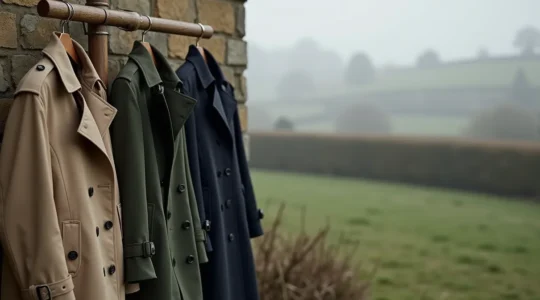
In summary: Stop buying individual coats and adopt the ‘3-Coat Rule’: a system of three specific outerwear roles, not just items. Build your wardrobe around a core of soft, versatile neutrals that thrive in the UK’s diffuse light. Focus on…
Read more
The idea of a single “best” material is a myth; a garment’s true sustainability is determined by its entire lifecycle, not just its fibre. While organic cotton excels in cultivation (less water, no pesticides), recycled polyester tackles plastic waste and…
Read more
Choosing to shop at a pop-up is more than a purchase; it’s a direct and powerful investment in the UK’s vibrant creative economy. It provides crucial, immediate cash flow for independent makers and designers, bypassing algorithmic gatekeepers. It transforms vacant…
Read more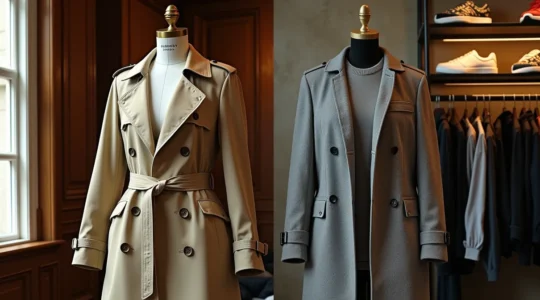
The Burberry trench coat is a smart investment, but only as a strategic anchor within a diversified fashion portfolio, not as a standalone purchase. While Burberry handbags can lose up to 70% of their value, the classic trench coat often…
Read more
In summary: Build your foundation with merino wool base layers for superior temperature and moisture control in the UK’s variable climate. Choose outerwear like technical trench coats that blend classic aesthetics with modern waterproof, breathable membranes. Preserve your gear’s performance…
Read more
A £3,000 Savile Row suit delivers a measurable Return on Investment (ROI) by acting as a strategic tool for career advancement in the City of London. It visually signals a transition from junior to senior status, aligning perception with ambition….
Read more