
Owning and managing property in England presents unique challenges that blend historical preservation with modern living demands. Whether you’re maintaining a Victorian terrace, upgrading a rental portfolio to meet current energy standards, or creating a functional home office in your garden, the intersection of real estate and evolving work patterns requires careful navigation of regulations, building science, and practical considerations.
This comprehensive resource explores the essential aspects of property ownership and improvement across England, from understanding planning restrictions in conservation areas to implementing smart heating systems in solid-walled homes. We’ll examine how heritage properties can be sensitively modernised, what landlords need to know about energy performance requirements, and how homeowners can maximise their living space whilst complying with building regulations.
England’s rich architectural heritage means millions of homeowners live in properties built before modern construction standards existed. These homes offer character and charm, but they also present distinct challenges when attempting to improve comfort, reduce energy bills, or integrate contemporary technology.
Victorian and Edwardian homes typically feature solid brick walls rather than cavity construction. This fundamental difference affects how you approach insulation, damp prevention, and thermal performance. Solid walls breathe differently than modern constructions, and sealing them incorrectly can trap moisture, leading to decay and unhealthy indoor air quality. Successful retrofitting requires understanding the balance between improving thermal performance and maintaining breathability—often through internal or external wall insulation systems designed specifically for heritage properties.
Choosing an appropriate heating system for a period property involves more than simply selecting the most efficient boiler. Considerations include whether the property can accommodate modern radiator sizing, if underfloor heating is feasible with existing floor structures, and how renewable technologies like heat pumps perform in buildings with higher heat loss. Many older properties benefit from a hybrid approach, maintaining traditional radiators whilst upgrading controls and adding supplementary heating in specific rooms.
Heritage renovations often uncover unexpected issues. Budgeting should account for potential discoveries including asbestos in Artex ceilings, lead pipes, outdated electrical systems, or structural issues masked by previous cosmetic updates. Professional surveys can identify many hazards before work begins, but contingency funds of typically 15-20% of the project budget help manage surprises without derailing timelines.
England’s planning system balances individual property rights with community character preservation. Understanding when you need permission—and what restrictions apply—is essential before undertaking external modifications or significant alterations.
Local authorities can remove permitted development rights in designated areas through Article 4 Directions. This means alterations that would normally proceed without planning permission—such as replacing windows, painting exteriors, or installing satellite dishes—require formal approval. Conservation areas often have additional restrictions regarding materials, colours, and design approaches. Before planning any external work, check with your local planning authority to understand what restrictions apply to your specific location.
Even outside conservation areas, certain alterations require careful material selection. Driveway surfaces, for example, must allow water drainage to prevent flooding—non-permeable materials exceeding certain areas require planning permission. External painting in heritage colours, installation of solar panels, and positioning of satellite dishes all face varying levels of scrutiny depending on your property’s designation and location.
Tree Preservation Orders (TPOs) protect significant trees, and all trees within conservation areas receive automatic protection. Pruning or removing protected trees without permission can result in substantial fines. If a tree poses safety concerns or interferes with building work, you’ll need to apply for permission, typically demonstrating that the work is necessary and will be carried out by qualified arborists.
Recent regulatory changes have placed energy performance at the forefront of property ownership, particularly for landlords. However, achieving high energy ratings in older buildings presents technical challenges that newer properties don’t face.
The Minimum Energy Efficiency Standards require rental properties to meet a minimum Energy Performance Certificate (EPC) rating before being let. Whilst the current minimum stands at E-rated or above, landlords must ensure compliance and keep documentation of any exemptions claimed. Properties that cannot reasonably achieve the minimum standard due to technical constraints, building preservation concerns, or cost-effectiveness thresholds may qualify for exemptions, but these must be formally registered.
Not all improvements deliver equal returns. In a typical solid-walled Victorian property, the highest impact interventions usually include:
Various grant schemes support energy efficiency improvements, though availability and eligibility change periodically. The Energy Company Obligation (ECO) scheme, local authority grants, and interest-free loans can help fund major works. Homeowners should check current offerings through organisations like the Energy Saving Trust, whilst landlords may find specific funding routes for portfolio upgrades.
A critical consideration when improving energy efficiency is maintaining adequate ventilation. Sealing draughts without compensating with controlled ventilation can lead to condensation, mould, and poor air quality. Mechanical ventilation with heat recovery (MVHR) systems or appropriately positioned trickle vents ensure fresh air circulation without negating thermal improvements.
Period and listed properties require specialist insurance approaches that standard policies may not adequately address. Understanding these nuances protects both your investment and your financial exposure.
A common misconception is insuring a property for its market value. However, buildings insurance should reflect rebuilding costs—the expense of reconstructing the property to its current standard if completely destroyed. For listed buildings and period homes requiring specialist materials, traditional techniques, and listed building consent, rebuilding costs often significantly exceed market value. Professional rebuilding cost assessments ensure adequate coverage.
Purchasing a property with undisclosed modifications can create insurance complications. Alterations completed without required building regulations approval or planning permission may not be covered by standard policies. Thorough pre-purchase surveys and indemnity insurance policies can protect buyers from liabilities created by previous owners’ non-compliant work.
Older homes face distinct risks requiring specialist coverage:
Specialist period property insurers understand these risks and can tailor coverage accordingly, often providing access to approved contractors familiar with heritage construction.
The shift toward home-based work has intensified demand for functional domestic workspace. Loft conversions and garden offices offer popular solutions, each with specific regulatory and practical considerations.
Converting attic space into habitable rooms involves meeting comprehensive building regulations covering structure, fire safety, insulation, ventilation, and access. Fire safety requirements typically necessitate protected escape routes, fire-resistant construction between floors, and smoke alarms. Party wall agreements with adjoining property owners are legally required when work affects shared structures. Headroom presents challenges in shallow roofs, often requiring lowering ceilings below or raising roof heights (which may require planning permission).
Adding an en-suite bathroom to a loft conversion requires careful plumbing design, particularly regarding waste pipe falls and water pressure. Loft rooms also face temperature extremes—cold in winter and overheated in summer—requiring both effective insulation and ventilation strategies such as Velux windows with integrated blinds or mechanical ventilation systems.
Garden rooms offer flexible workspace without the complexity of house extensions. Structures under certain size thresholds typically fall under permitted development, though restrictions apply regarding:
Connecting utilities to garden buildings requires qualified electricians and proper installation of armoured cabling or underground ducting. Year-round use necessitates effective insulation in timber constructions and consideration of heating sources, from electric radiators to extension of the main heating system.
Timber-clad outbuildings require regular maintenance to preserve longevity. Treatment cycles for external cladding typically occur every 2-3 years depending on weather exposure and chosen finishes. Security for expensive office equipment may require alarmed systems, robust locking mechanisms, and potentially informing your home insurance provider of the business equipment location.
Modern heating controls can dramatically improve comfort and reduce energy consumption, even in older properties with traditional radiator systems. However, implementation requires understanding how smart technology interacts with existing infrastructure.
Smart thermostatic radiator valves (TRVs) can retrofit onto most existing radiators, providing room-by-room temperature control and scheduling. When integrating smart controls with older boilers, compatibility must be verified—particularly regarding power supply (some older systems use mechanical thermostats without continuous power) and communication protocols. Zoned heating allows heating only occupied rooms, but requires balancing the heating system to ensure the boiler operates efficiently under varying demand.
Thick masonry walls can obstruct WiFi signals essential for smart heating control. Solutions include WiFi mesh systems, placing hubs centrally, or choosing systems using longer-range wireless protocols. Some smart heating systems offer hybrid connectivity, using both WiFi and proprietary wireless communication to ensure reliability.
Beyond basic programming, modern systems offer sophisticated features:
These features optimise comfort whilst minimising energy waste, particularly valuable in larger properties or those with varying occupancy patterns.
Beyond renovation and improvement, daily property ownership involves understanding local services, market dynamics, and civic responsibilities that vary across England’s regions.
Property values, rental yields, and market dynamics differ substantially between regions. London and the South East typically command premium prices but offer lower yields, whilst northern regions may provide better rental returns on lower capital investment. Understanding local market conditions informs renovation investment decisions—some improvements add significant value in premium markets whilst proving financially neutral elsewhere.
Local councils provide essential services including waste collection, with bulky waste collection services available for items too large for regular bins—typically requiring advance booking and sometimes incurring charges. Homeowners also have responsibilities regarding noise nuisance, boundary disputes, and property maintenance that affects neighbours. Understanding reporting procedures for nuisance complaints and how environmental health teams investigate issues helps resolve problems constructively.
Successfully managing property in England requires balancing preservation of architectural heritage with modern living demands, understanding complex regulatory frameworks, and making informed decisions about improvements that enhance both comfort and property value. Whether securing a Victorian home against subsidence risks, navigating listed building consent for energy upgrades, or creating a contemporary workspace in a garden office, informed homeowners can confidently maintain and improve their properties whilst respecting the character that makes English housing stock unique.

Achieving that £300/year saving with smart zoned heating isn’t about the thermostat you buy, but about overcoming the hidden technical hurdles in your older UK home. Your boiler’s ability to ‘modulate’ (run at variable power) is more important than the…
Read more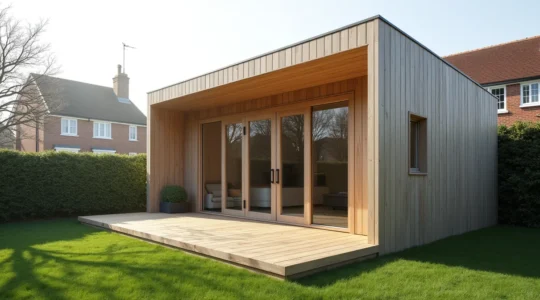
Building a garden office with a toilet is less about planning permission and more about avoiding a surprise Council Tax bill. The key is “incidental use”; adding a toilet can suggest the building is self-contained ancillary accommodation, not incidental to…
Read more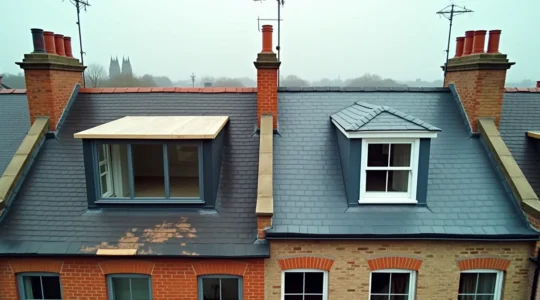
The most valuable loft conversion isn’t necessarily the largest; it’s the one that best resolves your home’s spatial flow and your family’s specific needs. An L-shaped dormer offers maximum floor area, ideal for adding multiple rooms, but its structural complexity…
Read more
In summary: Your ‘Permitted Development’ rights are likely removed by an Article 4 Direction, requiring full planning permission for minor changes. Conservation officers prioritise the preservation of ‘character and appearance’, focusing on material authenticity and historical details, not modern convenience….
Read more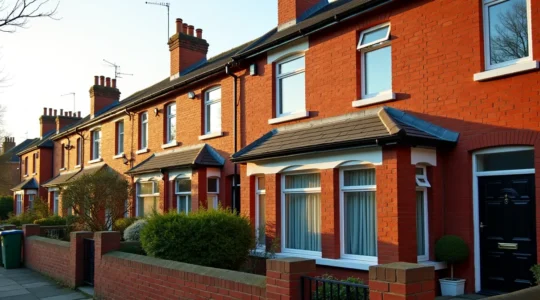
Achieving EPC C on a budget is not about one big spend, but a strategic sequence of high-impact, low-cost upgrades that deliver the most EPC points per pound. Loft insulation is the single most cost-effective measure, often delivering the biggest…
Read more
The market value of your Grade II listed home is a dangerously misleading figure for insurance; your real financial exposure lies in the hidden rebuild cost and inherited legal liabilities. Standard mortgage valuations ignore specialist materials and labour, creating a…
Read more
For homeowners in a conservation area, reaching EPC Band C is not about applying a generic eco-checklist. It’s a technical balancing act. The key is a ‘fabric-first’ approach using vapour-permeable materials to avoid damp, and submitting a detailed Heritage Statement…
Read more